

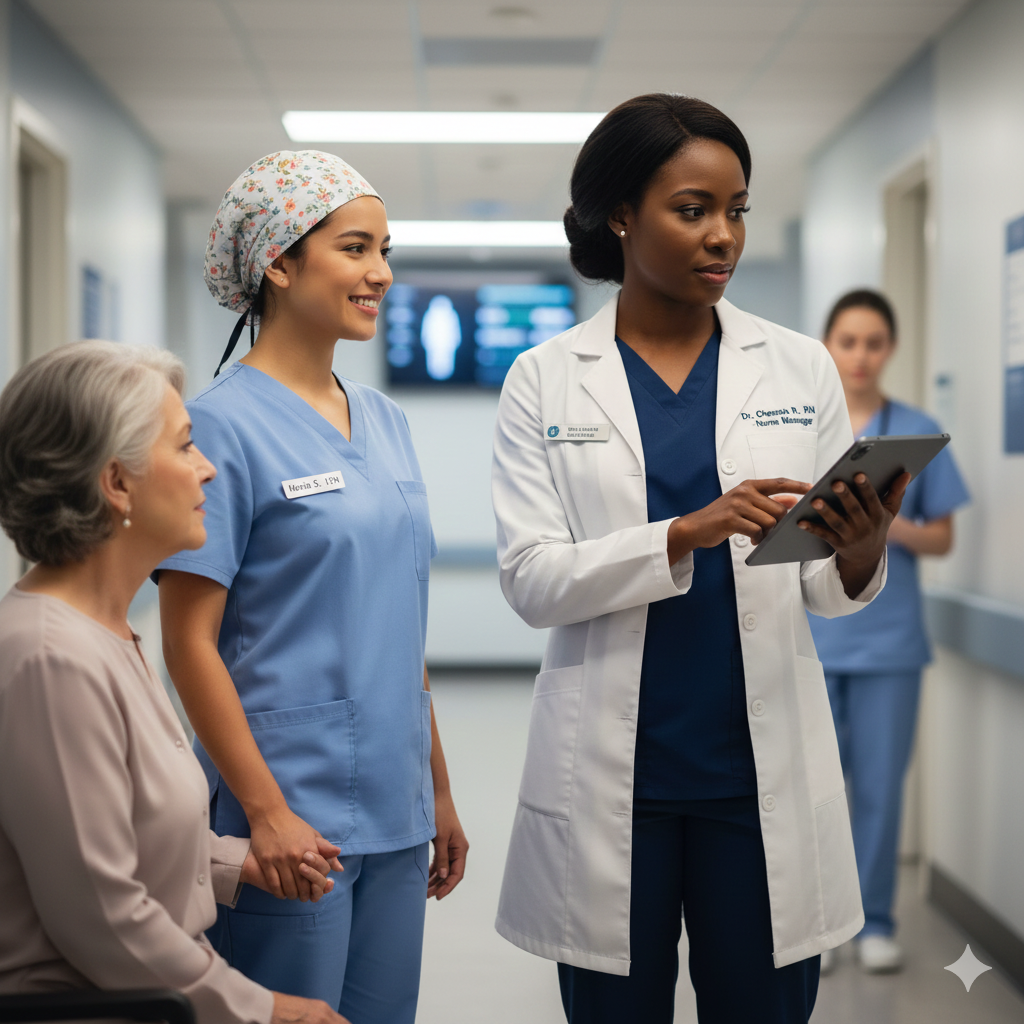

In the fast-paced world of healthcare, the smooth operation of any medical office hinges on a pivotal role: the Medical Assistant. These unsung heroes are the backbone of clinical efficiency, seamlessly blending administrative expertise with direct patient care.
They are often the first friendly face a patient sees and the organized professional who ensures every appointment, record, and procedure flows without a hitch.
At Stautzenberger College, our Medical Assistant Program is meticulously designed to prepare you for this dynamic and essential career. Our curriculum focuses on developing a diverse skill set, from administrative tasks and clinical procedures to patient communication and electronic health records management.
Whether you are driven by a desire to help others or seeking a stable and in-demand profession, a career as a Medical Assistant offers both profound fulfillment and significant opportunity within the evolving healthcare landscape.
The Dual Role: Administrative and Clinical Expertise
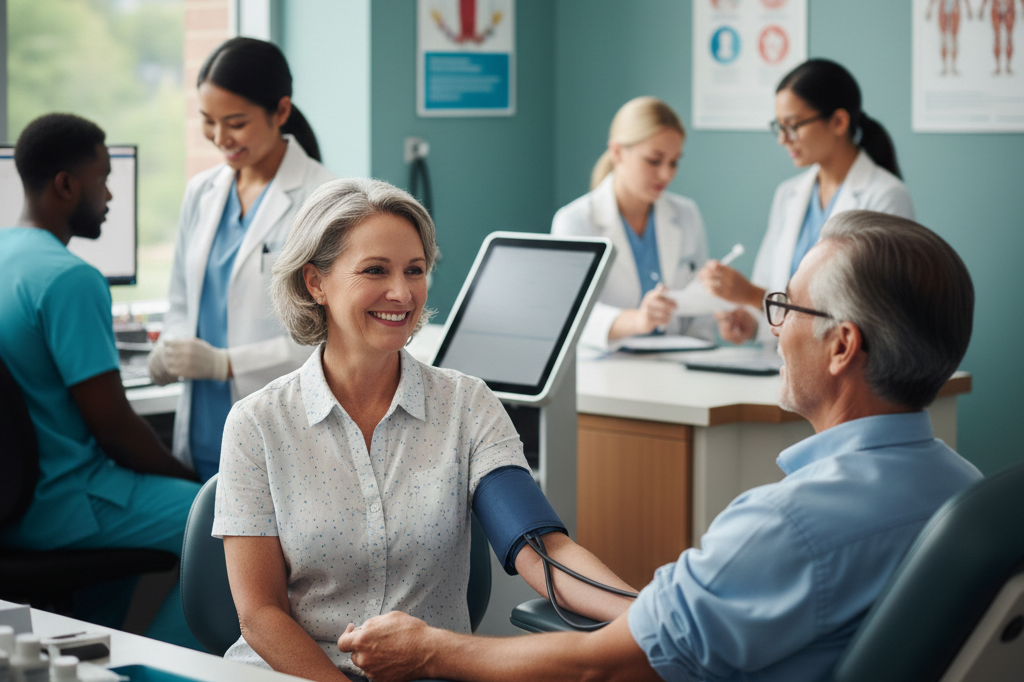
The beauty of a Medical Assistant’s role lies in its versatility. Unlike many specialized positions, a Medical Assistant is trained to handle tasks on both the front (administrative) and back (clinical) ends of a medical office.
This dual competency makes them invaluable to doctors, nurses, and, most importantly, patients.
Administrative Responsibilities: The Face and Voice of the Office
A significant portion of a Medical Assistant’s day is spent ensuring the office runs like a well-oiled machine. This often includes:
- Greeting Patients: Providing a warm and welcoming first impression, checking patients in, and verifying their information.
- Scheduling Appointments: Managing complex appointment calendars, scheduling follow-ups, and coordinating with other departments or specialists.
- Managing Patient Records: Updating and maintaining electronic health records (EHRs) with precision, ensuring patient privacy (HIPAA compliance), and handling insurance paperwork.
- Answering Phones and Correspondence: Handling inquiries, triaging calls, and managing communications between patients, pharmacies, and other healthcare providers.
- Billing and Coding Support: Assisting with basic billing inquiries, processing payments, and understanding common medical coding for services rendered.
- Office Management: Ordering supplies, managing inventory, and ensuring the waiting area and examination rooms are clean and organized.
In 2026, with the increasing reliance on digital systems, a Medical Assistant’s proficiency in EHR software and telehealth platforms is more critical than ever. They are the digital navigators who ensure patient data is accurate and accessible.
Clinical Responsibilities: Direct Patient Care and Support
Beyond the front desk, the Medical Assistant transitions into direct patient care, acting as a crucial link between the patient and the physician.
Their clinical duties can be extensive and require both precision and empathy:
- Preparing Patients for Examinations: Escorting patients to exam rooms, taking vital signs (blood pressure, temperature, pulse, respiration),
and documenting their chief complaint and medical history. - Assisting Physicians During Exams: Handing instruments, preparing specimens for lab tests, and ensuring the physician has all necessary information.
- Performing Basic Laboratory Tests: Collecting blood samples (phlebotomy), performing urinalysis, and conducting rapid strep tests or glucose checks.
- Administering Medications: Giving injections (under physician supervision), providing nebulizer treatments, and explaining medication instructions to patients.
- Sterilizing Medical Instruments: Ensuring all equipment is properly cleaned and sterilized to prevent infection.
- Wound Care and Dressing Changes: Assisting with minor procedures, removing sutures, and applying bandages.
- Patient Education: Explaining post-procedure care, dietary restrictions, or medication regimens in an understandable manner.
Essential Skills for the Modern Medical Assistant
The role of a Medical Assistant demands a blend of technical competency, interpersonal skills, and a strong ethical foundation.
- Attention to Detail: Accuracy in record-keeping, medication administration, and vital sign measurement is paramount.
- Communication Skills: The ability to explain complex medical information clearly to patients and effectively communicate with colleagues and physicians.
- Empathy and Compassion: Providing comfort and support to patients who may be anxious, in pain, or distressed.
- Organizational Skills: Managing multiple tasks, prioritizing responsibilities, and maintaining an orderly workflow in a busy environment.
- Technical Proficiency: Skill in using medical equipment, EHR software, and other office technologies.
- Problem-Solving: The ability to quickly assess situations and find practical solutions to unexpected challenges.
The Stautzenberger College Advantage
Our Medical Assistant program at Stautzenberger College is designed to go beyond basic training. We focus on hands-on learning,
allowing you to practice in simulated clinical environments with modern equipment.
You will gain proficiency in:
- Electronic Health Records (EHR) Management: Critical for today’s digital medical offices.
- Phlebotomy and Lab Procedures: Essential clinical skills that are highly valued by employers.
- Medical Terminology and Anatomy: A strong foundation for understanding diagnoses and treatments.
- HIPAA Compliance: Ensuring patient privacy and adhering to legal standards.
Upon graduation, you will be prepared to sit for national certification exams, significantly boosting your employability and earning potential in this growing field.
Become a Certified Medical Assistant Today!
In conclusion, the Medical Assistant is an indispensable asset in any busy medical office, embodying the perfect blend of administrative efficiency and compassionate clinical care.
Their comprehensive skill set ensures that patients receive attentive support, physicians have vital assistance, and the healthcare facility operates smoothly. The demand for qualified Medical Assistants continues to grow, making it a stable and profoundly rewarding career choice.
At Stautzenberger College, our Medical Assistant Program provides the robust training and practical experience you need to step confidently into this critical role, making a tangible difference in patient lives and contributing to the vital work of healthcare every single day.
FAQs
Q1. What is the typical work environment for a Medical Assistant?
A: Medical Assistants work in diverse settings, including physician’s offices, hospitals, outpatient clinics, urgent care centers, and specialized practices
like dermatology or pediatrics. Many positions are full-time, but part-time opportunities also exist.
Q2. Is the Medical Assistant role physically demanding?
A: The role can involve standing for long periods, assisting patients with mobility, and moving equipment. While not excessively strenuous, a certain level of physical stamina and mobility is beneficial for the varied tasks involved.
Q3. What career advancement opportunities are available for Medical Assistants?
A: With experience and additional training, Medical Assistants can advance to roles such as Office Manager, Clinical Team Lead, or specialized roles in areas like ophthalmology or cardiology. Many also use their experience as a stepping stone to further education in nursing or other healthcare professions.