


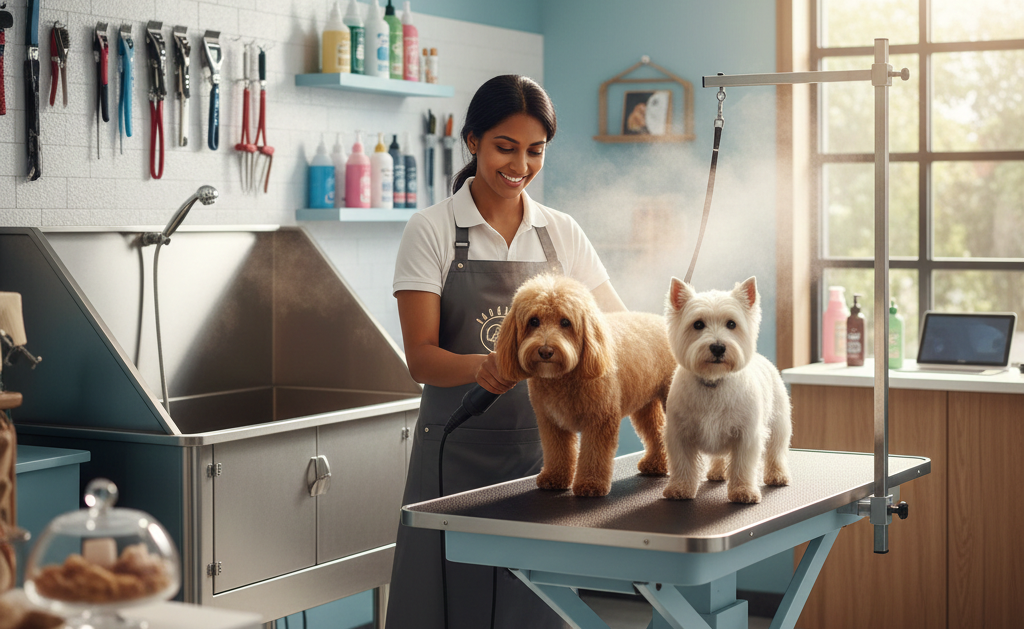
Opening a pet grooming business is more than just a career move; it is a way to turn a profound love for animals into a sustainable, independent lifestyle. In 2026, the pet care industry continues to boom as pet “parents” prioritize the hygiene and happiness of their furry companions. However, the difference between a hobbyist and a successful business owner lies in the quality of their foundation.
At Stautzenberger College, our Veterinary Assistant and Grooming program is designed to provide that exact foundation. We combine the clinical knowledge of a veterinary assistant—understanding animal behavior, anatomy, and health—with the artistic and technical skills required for professional grooming.
This dual-focus approach ensures that when you open your doors, you aren’t just styling hair; you are a holistic pet care professional capable of identifying skin issues, handling anxious animals safely, and providing a level of care that builds immediate trust with your clients.
Step 1: Crafting Your Vision and Business Plan
Before you pick up your first pair of shears, you need a roadmap. A well-structured business plan is essential for staying organized and securing any necessary funding.
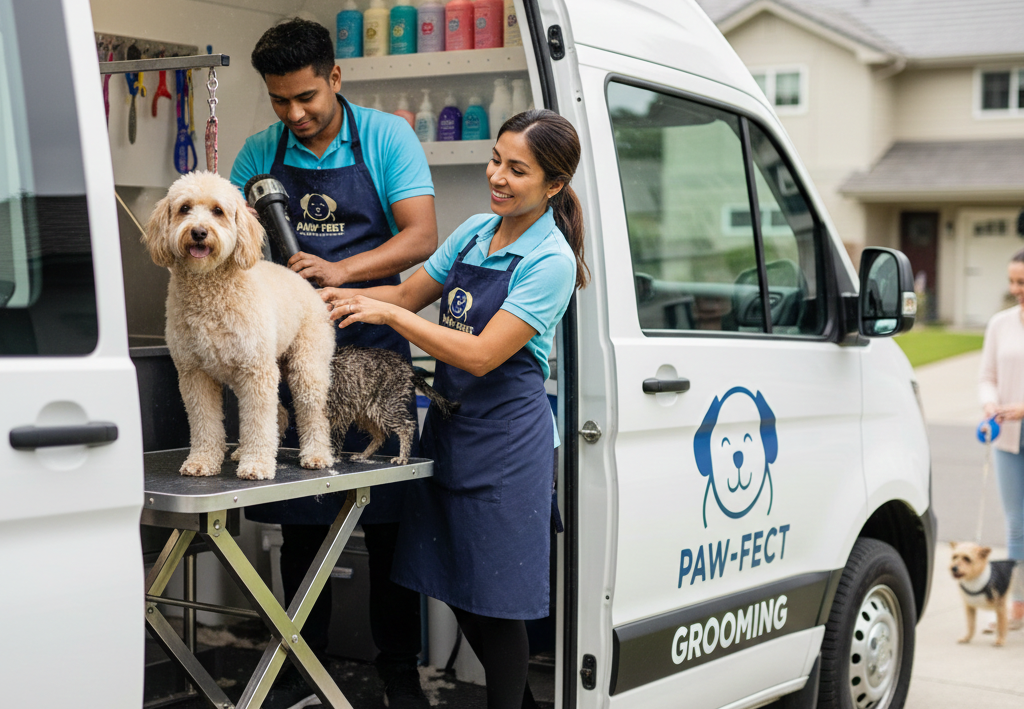
- Define Your Model: Will you have a brick-and-mortar salon, a mobile grooming van, or a home-based studio? Mobile grooming has seen a massive surge in 2026 due to the convenience it offers busy pet owners.
- Analyze the Market: Look at other pet grooming services in your area. Is there a gap for “express grooming,” “cat-only days,” or “eco-friendly products”?
- Financial Projections: Calculate your “burn rate” (monthly expenses) and your “break-even point” (how many dogs you need to wash to cover those costs).
Step 2: Legal Requirements and Certification
While some states do not mandate a license to groom, being a graduate of a recognized veterinary assistant and grooming program sets you apart. In 2026, clients are more discerning than ever; they want to see “Fear-Free” certifications or proof of formal animal handling training.
- Business Registration: Register your business as an LLC or Sole Proprietorship to protect your personal assets.
- Insurance is Non-Negotiable: You must have professional liability and “Animal Bailee” insurance. This protects you if a pet is injured in your care or if an animal causes damage to your property.
- Permits: Check local zoning laws, especially if you are working from home, to ensure you are compliant with noise and sanitation ordinances.
Step 3: Setting Up Your Workspace
Efficiency in your layout can save you hours of physical labor every week. Whether you are in a van or a shop, your workflow should follow a logical “wet-to-dry” progression.
The Essential 2026 Equipment Checklist
| Category | Must-Have Items |
| Bathing | Stainless steel tub with a ramp, high-velocity dryer, and ozone-infused bathing systems for skin health. |
| Styling | Electric/hydraulic grooming table, cordless clippers with a detachable blade system, and ergonomic shears (straights, curves, and thinners). |
| Safety | Non-slip mats, grooming loops, muzzles for reactive pets, and a fully stocked pet first-aid kit. |
| Hygiene | UV-C sterilizers for tools and professional-grade, pet-safe disinfectants. |
Step 4: Building Your Brand Identity
In a visual industry like pet grooming, your brand is your promise of quality.
- The “Before and After” Power: Your Instagram and TikTok profiles are your modern-day portfolio. High-quality photos of a matted dog transformed into a “Teddy Bear” cut are your best marketing assets.
- Logo and Theme: Choose a color palette that feels professional yet welcoming.
- Community Partnerships: Reach out to local shelters and vet clinics. As a trained veterinary assistant, you speak their language. Offer to do a “community grooming day” to get your name out there.
Step 5: Managing the “Human” Side of Pet Care
One of the most overlooked aspects of running a business is client management. Use 2026 technology to your advantage:
-
- Online Booking: Most millennials and Gen Z pet owners prefer to book via an app rather than a phone call.
- Detailed Pet Profiles: Note down every pet’s triggers (e.g., “hates the dryer on his face”) and the owner’s styling preferences. This level of personalization creates “super-fans” who will never go anywhere else.
The Stautzenberger Advantage
Why does our Veterinary Assistant and Grooming program make you a better business owner? Because we teach you the “why” behind the “how.” You’ll learn to recognize symptoms of ear infections or skin allergies during the grooming process, allowing you to provide value-added advice to owners.
This clinical edge transforms you from a “haircutter” into a vital member of the pet’s wellness team.
Become a Certified Veterinary Assistant & Groomer!
Opening your own pet grooming business is an empowering journey that combines technical skill with the joy of animal companionship. By following a structured plan—from your initial training at Stautzenberger College to setting up an ergonomic, safe workspace—you can build a brand that stands out for its professionalism and care.
The 2026 pet industry is ready for highly trained specialists who understand both the art of the groom and the science of animal health. With the right tools, a solid business strategy, and the expertise gained from our Veterinary Assistant and Grooming Program, you are well on your way to becoming a leader in your local pet community.
FAQs
Q1. How much does it cost to start a mobile grooming business in 2026?
A: Start-up costs for mobile units typically range from $30,000 to $90,000. This includes the cost of a customized van or trailer, professional-grade equipment, and initial marketing. While the upfront cost is higher than a home studio, the convenience fee you can charge often leads to a faster return on investment.
Q2. Does the Veterinary Assistant and Grooming program cover business management?
A: Our program focuses heavily on the technical and clinical skills required to work with animals. However, the professionalism and record-keeping habits you learn are foundational to running any successful business. We also provide career services that can help you understand the landscape of the local pet industry.
Q3: What is the most important piece of equipment for a new groomer?
A: While shears and clippers are vital, a high-quality high-velocity dryer is often cited as the biggest time-saver. It allows you to dry coats quickly and efficiently, fluffing the fur for a much better finish and allowing you to see more clients in a single day.