


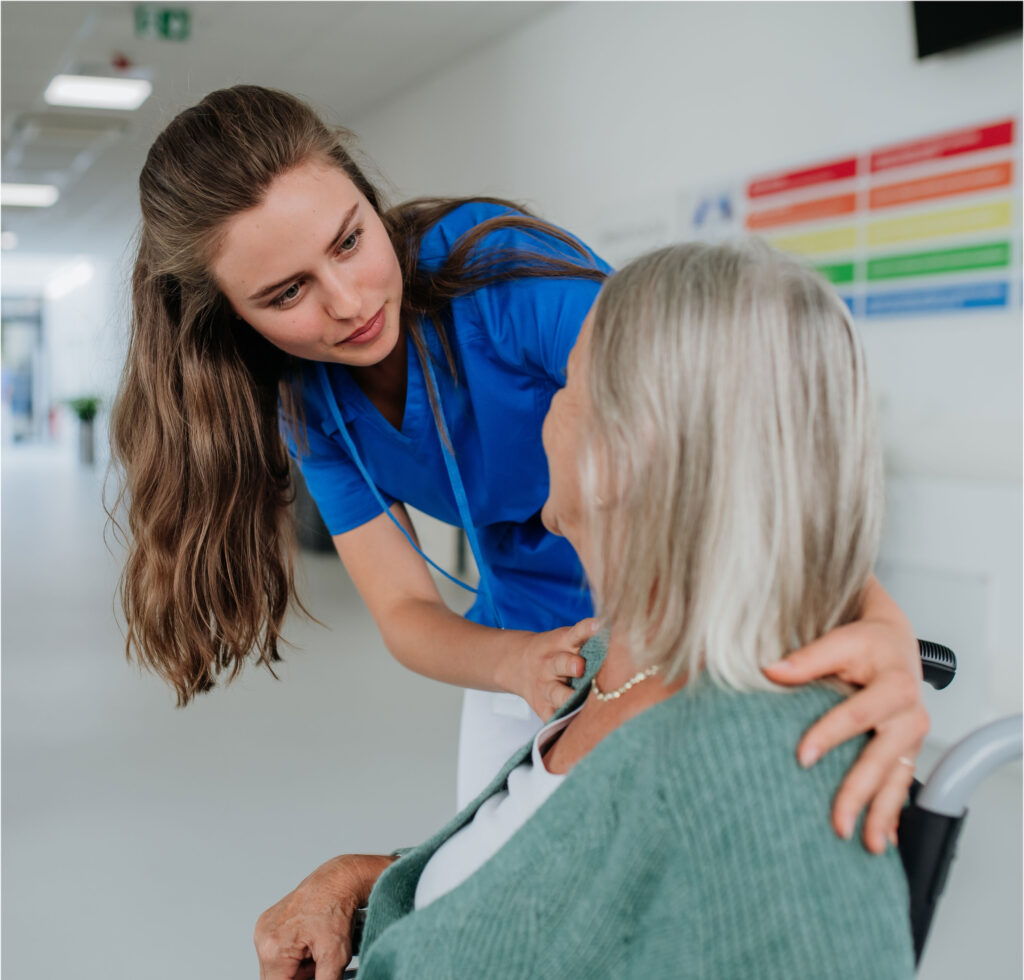

In today’s fast-paced healthcare environment, efficiency, patient care, and administrative precision are more critical than ever.
As medical practices strive to deliver high-quality care while managing complex operations, the role of the Medical Assistant has evolved from helpful support staff to an indispensable cornerstone of the healthcare team.
These versatile professionals are the unsung heroes who keep clinics running smoothly, bridging the gap between administrative tasks and direct patient care.
At Stautzenberger College, our Medical Assistant Program is meticulously designed to train individuals for this vital role, equipping them with the diverse skill set required to excel in modern healthcare settings. We understand the growing demand for competent medical assistants and are committed to preparing our students to meet these needs head-on.
Let’s delve into the multifaceted reasons why medical assistants are not just beneficial, but absolutely essential in modern healthcare practices.
1. The Bridge Between Clinical and Administrative Duties
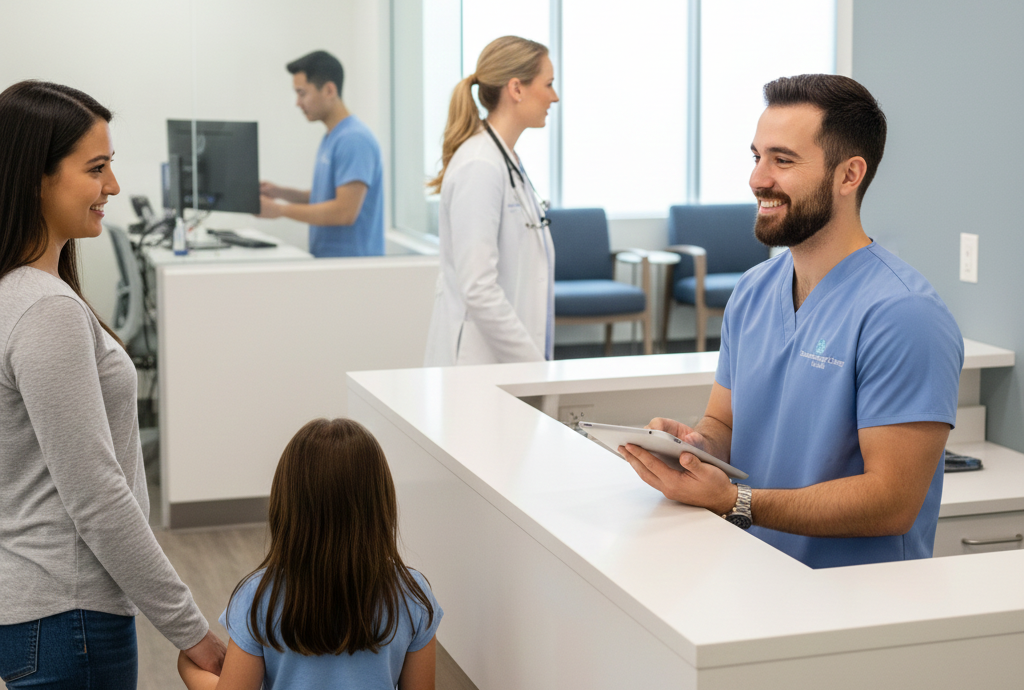
One of the most defining characteristics of a Medical Assistant is their unparalleled versatility. They possess a unique blend of clinical and administrative skills, making them adaptable to the dynamic needs of any medical office.
-
- Clinical Support: On the clinical side, medical assistants prepare patients for exams, take vital signs, assist physicians with procedures, administer medications (under supervision, depending on state regulations), draw blood, perform basic lab tests, and educate patients on treatments or medications. This direct patient interaction is crucial for efficient patient flow and quality care.
-
- Administrative Backbone: Administratively, they handle scheduling appointments, managing patient records, processing insurance forms, handling billing inquiries, and maintaining office supplies. Their ability to seamlessly transition between these roles ensures that both the front office and back office operations run without a hitch.
This dual skill set allows physicians and nurses to focus on more advanced clinical tasks, thereby optimizing the entire practice’s workflow.
2. Enhancing Patient Experience and Flow
A positive patient experience begins from the moment a patient interacts with a medical practice. Medical assistants play a pivotal role in creating a welcoming and efficient environment.
-
- First Point of Contact: Often, the medical assistant is the first and last person a patient interacts with, providing a crucial opportunity to make a positive impression. Their professionalism, empathy, and organizational skills can significantly reduce patient anxiety.
-
- Streamlining Visits: By efficiently taking patient histories, preparing examination rooms, and managing patient flow, medical assistants help reduce wait times and ensure that appointments run on schedule. This contributes to higher patient satisfaction and allows practitioners to see more patients.
-
- Patient Education and Comfort: They clarify physician instructions, explain procedures, and answer non-medical questions, making patients feel informed and comfortable. A well-informed patient is more likely to adhere to treatment plans and have a better overall outcome.
Ultimately, medical assistants contribute directly to patient loyalty and the overall reputation of a healthcare practice.
3. Contributing to Practice Efficiency and Productivity
In an era where healthcare costs are a constant concern, maximizing efficiency without compromising care quality is paramount. Medical assistants are key players in achieving this balance.
-
- Time Management for Physicians: By handling routine tasks, medical assistants free up physicians and other advanced practitioners to dedicate their time to diagnosis, treatment, and complex medical decisions. This increases the number of patients a physician can see in a day, boosting productivity.
-
- Resource Management: They manage inventory, ensure equipment is sterilized and ready, and keep examination rooms stocked and clean. This meticulous attention to detail prevents delays and ensures that the practice has what it needs when it needs it.
-
- Error Reduction: Their careful handling of patient records, coding, and scheduling helps minimize errors that can lead to costly rework, denied claims, or patient dissatisfaction.
A well-trained medical assistant is an investment that yields significant returns in operational efficiency.
4. Adapting to Technological Advancements
Modern healthcare relies heavily on technology, from Electronic Health Records (EHRs) to advanced diagnostic equipment. Medical assistants are at the forefront of integrating these technologies into daily practice.
-
- EHR Proficiency: They are often responsible for accurately updating and maintaining patient information within EHR systems, ensuring that records are complete, secure, and easily accessible.
-
- Diagnostic Equipment Operation: Many medical assistants are trained to operate and maintain various diagnostic machines, such as EKG machines, spirometers, and basic laboratory equipment.
-
- Telehealth Support: With the rise of telehealth, medical assistants play a growing role in setting up virtual appointments, assisting patients with technology, and ensuring a smooth virtual care experience.
Their ability to master and utilize these tools is critical for a modern practice to remain competitive and effective.
5. The Growing Demand and Career Stability
The healthcare industry is one of the fastest-growing sectors, and the demand for skilled support staff, particularly medical assistants, reflects this trend.
-
- Aging Workforce: As many experienced healthcare professionals retire, there’s a continuous need for new talent to fill these roles.
-
- Job Growth Projections: The U.S. Bureau of Labor Statistics projects significant growth for medical assistant positions, indicating excellent job security and opportunities across various healthcare settings.
-
- Diverse Settings: Medical assistants can work in a wide array of environments, including physicians’ offices, hospitals, outpatient clinics, urgent care centers, and specialty practices (e.g., pediatrics, cardiology, dermatology), offering flexibility in career path.
For individuals seeking a stable, impactful career with continuous opportunities for learning and growth, becoming a medical assistant is an outstanding choice.
Become a Medical Assistant, Today!
The role of the Medical Assistant is more critical than ever in modern healthcare practices. Their unique ability to manage both administrative and clinical duties, enhance patient experience, boost efficiency, adapt to new technologies, and contribute directly to the financial health of a practice makes them truly indispensable.
At Stautzenberger College, our Medical Assistant program is your direct pathway to a rewarding and stable career in this essential profession. We provide hands-on training, expert instruction, and career services to ensure you are well-prepared to make a significant impact in any healthcare setting. Join us, and become a vital part of the healthcare team that delivers compassionate and efficient patient care every day.
Are you ready to embark on a dynamic and essential career as a Medical Assistant? Contact us today to learn more about our program and how to get started!
FAQs
Q1. What is the difference between a Medical Assistant and a Nurse?
A: While both roles are crucial in healthcare, the primary difference lies in their scope of practice and education. A Medical Assistant typically completes a diploma or associate’s degree program and performs a blend of clinical and administrative tasks under the supervision of a physician or nurse.
Nurses (LPNs or RNs) have more extensive education, a broader scope of clinical practice, and greater autonomy, including performing more complex medical assessments, administering a wider range of medications, and developing care plans.
Q2. How long does it take to become a Medical Assistant?
AL At Stautzenberger College, our Medical Assistant program is designed for efficient completion, typically taking around 10 months for a diploma program. This allows graduates to quickly enter the workforce and begin their careers in a high-demand field.
Q3. Do Medical Assistants need to be certified?
A: While state regulations vary, certification for Medical Assistants is highly recommended and often preferred, if not required, by employers. Certifications from recognized bodies like the American Association of Medical Assistants (AAMA) or the National Healthcareer Association (NHA) demonstrate proficiency and commitment, enhancing job prospects and credibility. Our program helps prepare students for these important certification exams.