





Choosing a career in healthcare is a rewarding decision, but many students wonder exactly what their day-to-day life will look like once they enter the workforce.
At Stautzenberger College, our Medical Assistant Diploma is designed to prepare you for the versatile reality of modern medicine. In as little as 10 months,
our hybrid program combines online flexibility with essential hands-on campus lab work, ensuring you graduate ready to jump into various clinical environments.
But where will you actually work? The beauty of being a medical assistant is that your skills are needed almost everywhere. From the fast-paced energy of a hospital
to the specialized focus of a private practice, your role shifts to meet the needs of the setting.
Here is a deep dive into what a medical assistant does across different healthcare environments.
Private Physician Practices

The majority of medical assistant jobs (over 50%) are found in private physicians’ offices. In this setting, you are often the “face” of the practice.
Because these offices are usually smaller than hospitals, you will likely perform a balanced mix of clinical and administrative duties.
-
- Clinical: Taking vitals, recording patient histories, and preparing patients for exams.
-
- Administrative: Greeting patients, answering phones, and scheduling follow-up appointments.
-
- The Experience: You’ll likely see the same patients regularly, allowing you to build long-term professional relationships. The hours are typically a standard Monday–Friday, 8 am–5 pm schedule.
Hospitals and Large Healthcare Systems

Working in a hospital is a completely different experience. Hospitals are 24/7 operations, which means your schedule might include nights, weekends,
or holidays. Because hospitals are so large, medical assistant roles here are often more specialized.
-
- Fast-Paced Care: You might work in a specific department, such as the emergency room or a surgical floor, assisting with more complex procedures
or wound care.
- Fast-Paced Care: You might work in a specific department, such as the emergency room or a surgical floor, assisting with more complex procedures
-
- In-Patient Support: You’ll help with hospital admissions, ensuring patients are settled and their charts are updated in real-time.
-
- The Experience: It is high-energy and less predictable. If you enjoy a “busy” environment where no two days are the same, a hospital setting
is an excellent choice.
- The Experience: It is high-energy and less predictable. If you enjoy a “busy” environment where no two days are the same, a hospital setting
Urgent Care Centers
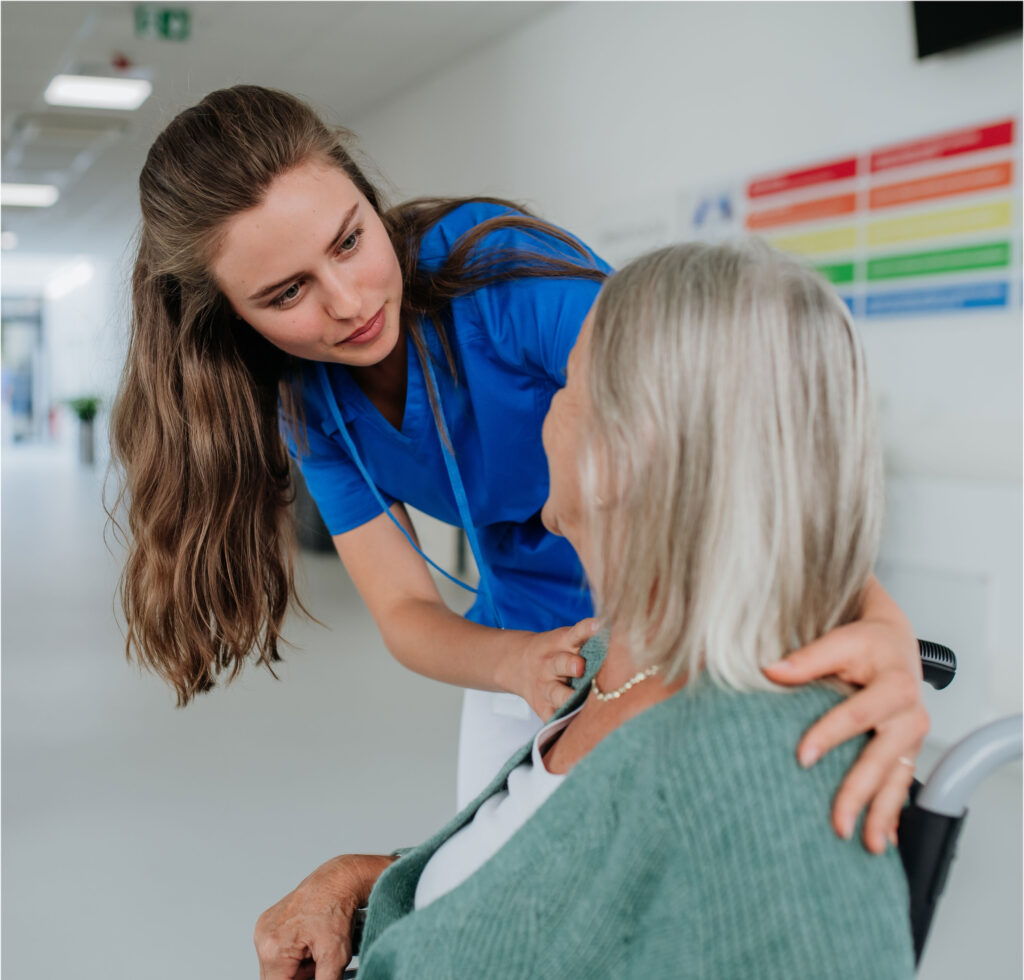
Urgent care facilities bridge the gap between a primary care doctor and the ER. Patients come here for non-life-threatening illnesses that need immediate attention,
such as sprains, infections, or minor cuts.
-
- Efficiency is Key: You must be able to “triage” patients quickly—determining the urgency of their needs while keeping the flow of the clinic moving.
-
- Clinical Skills: You will frequently assist with diagnostic tests like EKGs, draw blood for lab work, and help the physician with minor suturing.
-
- The Experience: It’s a middle ground between the stability of a private practice and the intensity of a hospital.
Specialized Clinics (Cardiology, OB-GYN, Dermatology)
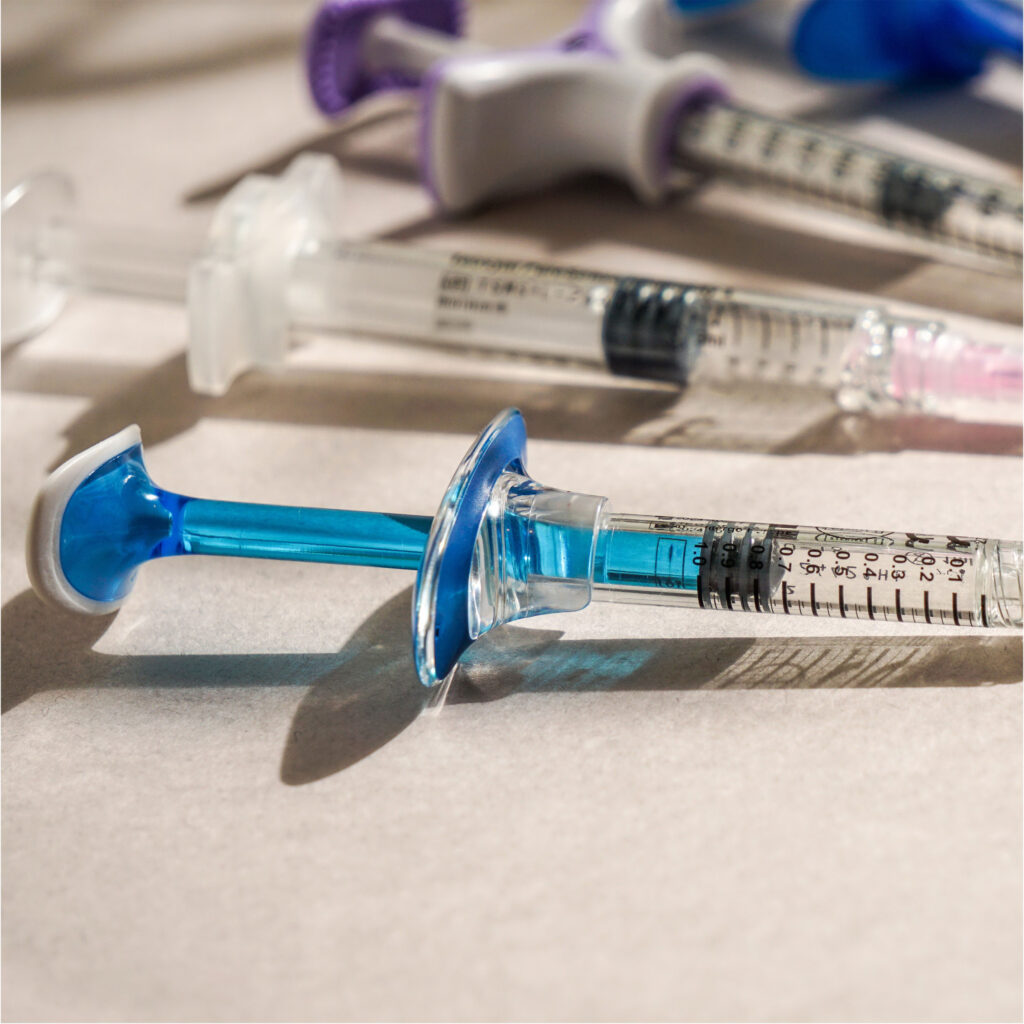
If you have a specific interest, a specialized clinic allows you to focus your skills.
-
- OB-GYN: You may assist with prenatal exams and provide patient education on reproductive health.
-
- Dermatology: You might assist in minor skin surgeries or help prepare biopsies for the lab.
-
- Cardiology: You’ll likely become an expert in performing EKGs and monitoring heart-related vitals.
The Importance of Medical Assistant Certification
While some entry-level roles exist for those without a credential, obtaining your medical assistant certification is the best way to stand out in the job market.
At Stautzenberger College, our curriculum is specifically aligned with the standards of the American Medical Technologists (AMT).
Earning your certification proves to employers that you have mastered the clinical and administrative competencies required for high-quality patient care.
It often leads to:
-
- Higher starting salaries.
-
- Preference during the hiring process for competitive medical assistant jobs.
-
- Greater opportunities for advancement into management or specialized roles.
Why Choose the Stautzenberger College Medical Assistant Diploma?
Our program is built for your success. We know you’re busy, which is why we offer a 10-month hybrid format. You get the benefit of studying theory
at home while coming to campus to master the “hands-on” skills like phlebotomy (drawing blood) and injections.
We also include a 160-hour externship. This is your chance to step into one of the settings mentioned above—be it a clinic or a hospital—and practice your skills
in the real world before you even graduate.
FAQs
Q: Do I need a license to work as a medical assistant?
Most states do not require a “license” in the same way a nurse needs one, but most reputable employers require or strongly prefer medical assistant certification. Graduating from an accredited program like the one at Stautzenberger College qualifies you to sit for these national exams.
Q: Can a medical assistant specialize in one area, like pediatrics?
Absolutely! Many medical assistants find jobs in specialized practices. While your training is broad, working in a specialty clinic allows you to gain deep expertise
in that specific field of medicine.
Q: Is the job market for medical assistants growing?
Yes. According to the Bureau of Labor Statistics, employment for medical assistants is projected to grow significantly faster than the average for all occupations.
This is due to an aging population and an increased need for healthcare support staff.
Become a Certified Medical Assistant, Today!
Whether you see yourself in a quiet family practice or a bustling city hospital, a Medical Assistant Diploma from Stautzenberger College is your first step toward a stable and fulfilling career. By mastering both the office and clinical sides of healthcare, you become an indispensable part of any medical team.
Ready to start your journey? Contact our admissions team today to learn more about how you can graduate and start your new career in less than a year.