


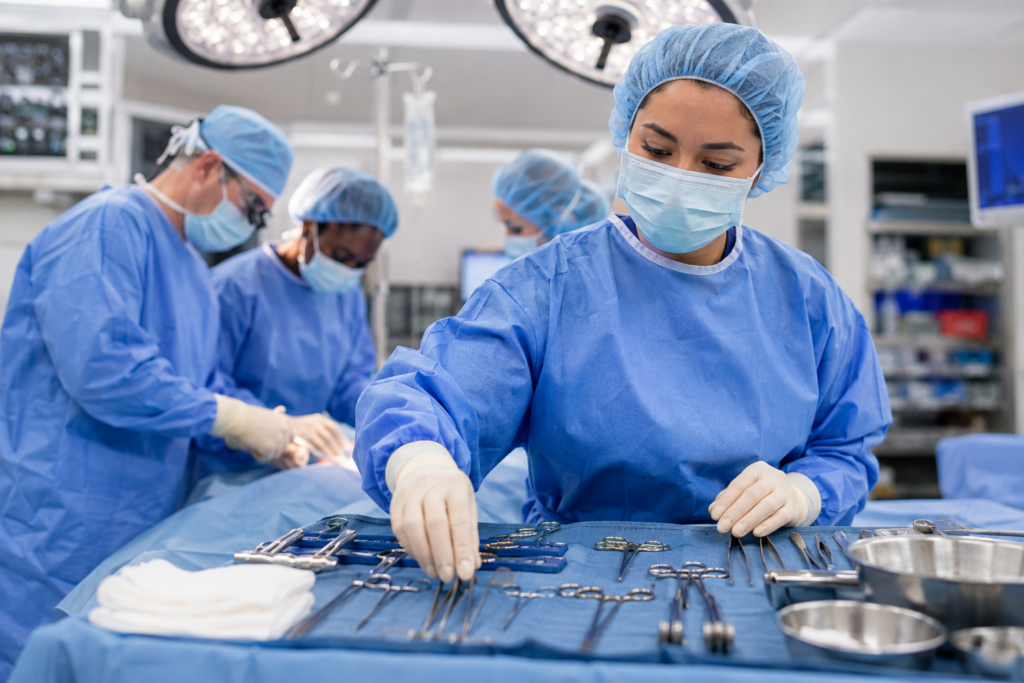
Surgical procedures rely on coordinated teams of healthcare professionals with distinct responsibilities. Surgical teams work together in the operating room to support patient safety, infection prevention, and patient care before, during, and after surgery.
Members of the surgical team have specific responsibilities, from surgeons and anesthesia professionals to circulating nurses and surgical technologists. These professionals rely on clear communication and established protocols to support coordinated surgical procedures.
Learning how these specialized teams operate can introduce you to different healthcare career paths. Stautzenberger College has served students for 100 years, providing career-focused education in healthcare and other fields.
Core Roles and Responsibilities Within Surgical Teams
In a surgical environment, clearly defined responsibilities can support patient safety and coordination. Each professional brings distinct skills to support patient care during surgical procedures.
- Surgeons: Lead the procedure, make medical decisions, and perform the necessary surgical intervention.
- Anesthesiologists or Nurse Anesthetists: Administer anesthesia and monitor the patient’s condition during surgical procedures.
- Circulating Nurses: Manage the operating room environment, document aspects of the procedure, and support patient needs outside the sterile field.
- Surgical Technologists: Prepare operating rooms and sterile equipment, pass instruments and supplies during procedures, and help maintain the sterile field.
Coordination among these roles supports patient safety and efficient communication during surgical procedures. Understanding these responsibilities also highlights why training and teamwork are important in surgical settings.
How Surgical Technology Supports Operating Room Safety
Surgical procedures involve specialized instruments, equipment, and sterile techniques. These require surgical team members to follow established procedures for safe and appropriate use.
Proper preparation of the operating environment is an important part of supporting patient safety. Surgical technologists help maintain the sterile field by following aseptic practices and accounting for instruments and supplies before and after procedures.
- Sterile Environment Setup: Prepare sterile drapes, organize instrument trays, and inspect equipment before a procedure.
- Procedural Support: Pass instruments and supplies to surgeons and other members of the surgical team during procedures.
- Post-Procedure Support: Account for surgical instruments and supplies and assist with operating room cleanup and preparation according to facility procedures.
According to the U.S. Bureau of Labor Statistics, employment of surgical technologists is projected to grow 5% from 2025 to 2035.
If you want to explore career-focused training in this area, visit the Stautzenberger College Surgical Technology program to learn more about its curriculum and training format.
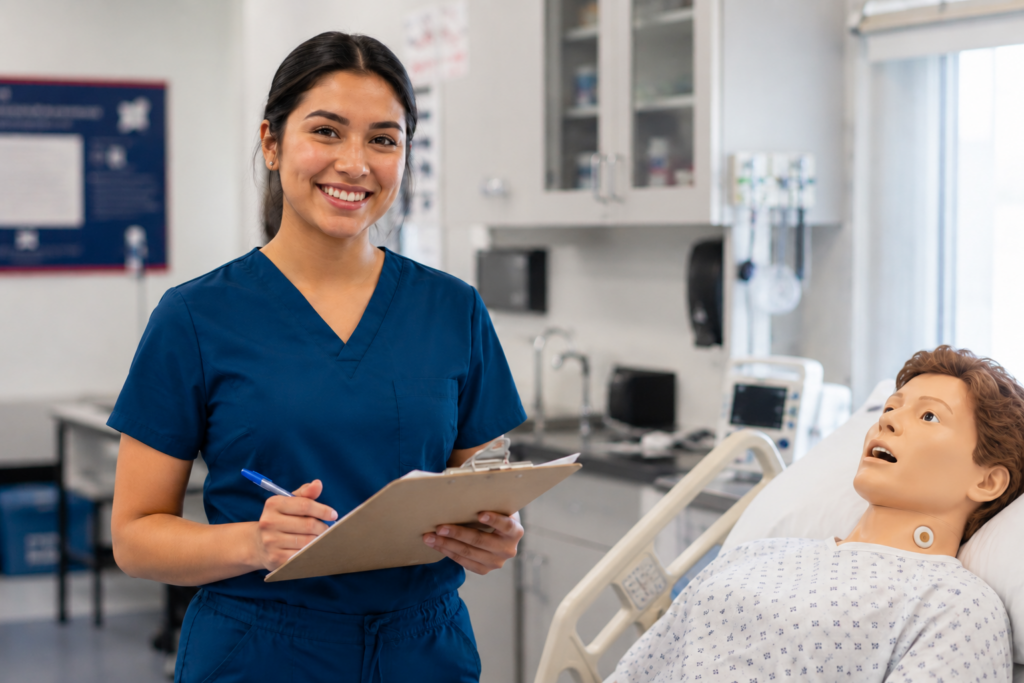
Hands-on lab training allows surgical technology students to practice operating room skills.
How Stautzenberger College Provides Healthcare Education
For 100 years, Stautzenberger College has provided career-focused education. The Surgical Technology Associate Degree uses a blended format that combines classroom instruction, lab training, and clinical experience.
Through our “Stautz Strong” approach, students receive instruction and hands-on practice in surgical technology skills. The curriculum combines theoretical instruction with practical training to help students apply concepts and develop skills in simulated and clinical settings.
Stautzenberger College’s Surgical Technology program is designed to be completed in 18 months and consists of 102 quarter credits. The program provides training in areas related to surgical procedures, sterile technique, operating room practices, and the responsibilities of surgical technologists.
Build Your Educational Foundation in Healthcare
Surgical teams support patient care through coordinated responsibilities, communication, and specialized skills. If you are interested in supporting patient care in an operating room environment, surgical technology education can provide training in the skills used in operating room settings.
Stautzenberger College offers training designed to help students develop skills used in surgical technology and operating room settings. To learn more about the Surgical Technology program, course structure, admissions requirements, and enrollment options, contact a Stautzenberger College admissions representative.