


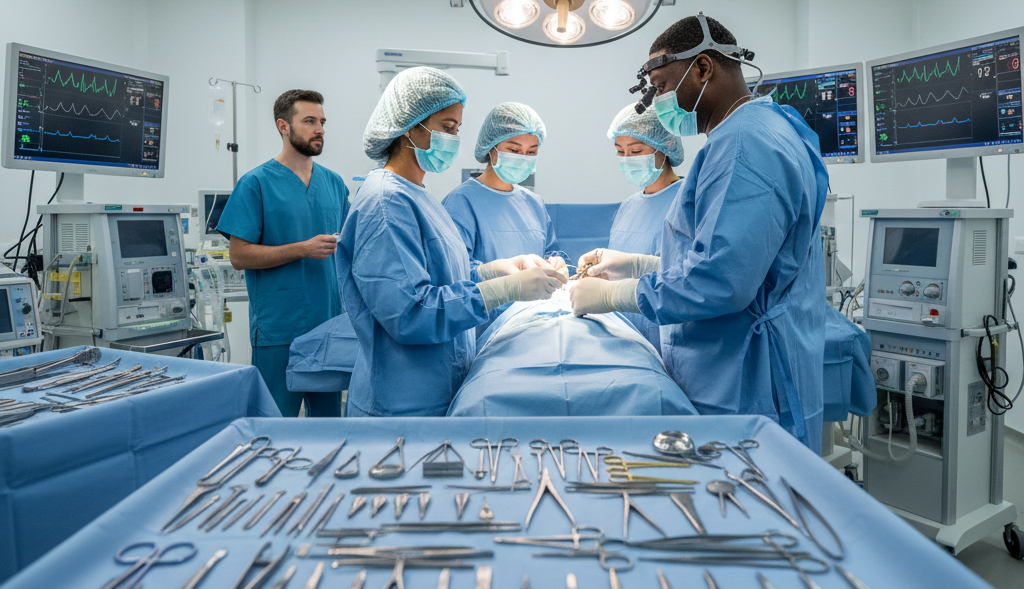
The operating room (OR) is a high-stakes environment where precision, teamwork, and an unwavering commitment to patient safety are paramount.
While surgeons and nurses often take center stage, there’s another crucial professional working diligently behind the scenes, ensuring every procedure runs flawlessly: the Surgical Technologist. These specialized healthcare heroes are the surgeon’s right hand, preparing the operating room, maintaining sterile fields, and anticipating every need during complex surgical procedures.
At Stautzenberger College, our Surgical Technology (A.A.S. Degree) Program is meticulously designed to immerse you in this exhilarating world.
We provide comprehensive, hands-on training that equips you with the advanced knowledge and critical skills necessary to thrive in the demanding yet incredibly rewarding environment of an operating room. If you are detail-oriented, calm under pressure, and driven by a desire to contribute directly to life-saving medical care, a career in Surgical Technology offers a clear and impactful path.
The Indispensable Role of the Surgical Technologist
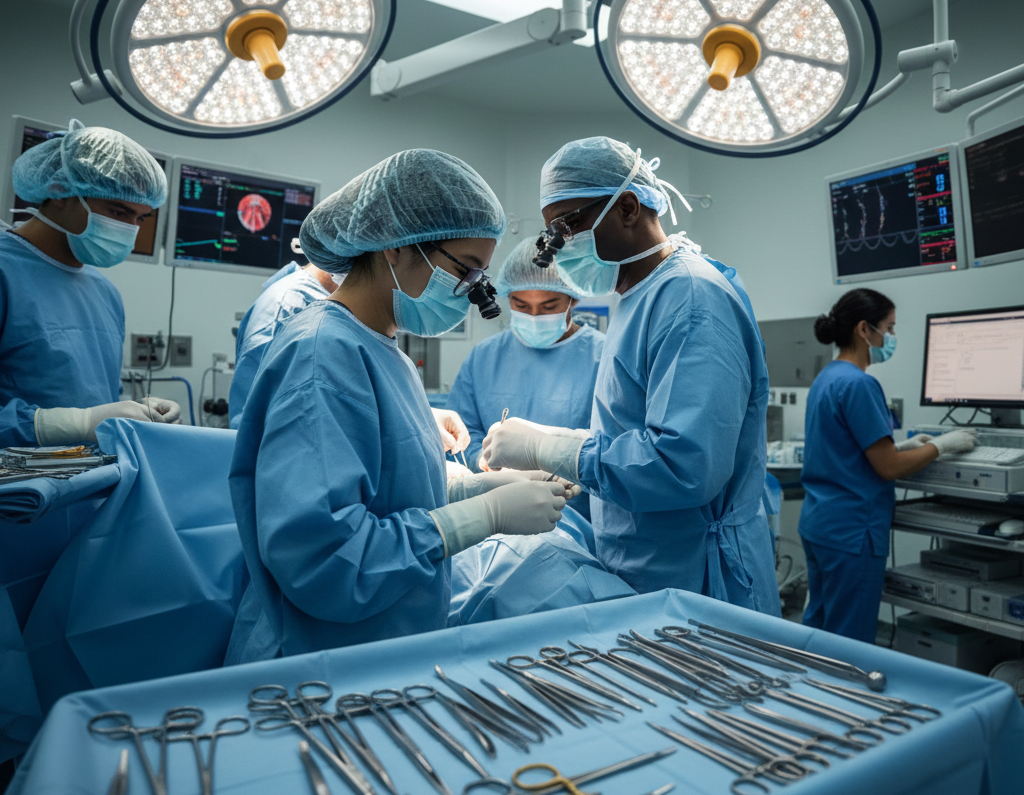
A Surgical Technologist, often referred to as a Surgical Tech, is a vital member of the surgical team. They are responsible for ensuring the operating room is safe, that equipment is functional, and that the sterile field is maintained throughout the entire procedure. Their expertise directly impacts patient outcomes and the efficiency of the surgical team.
Before the Incision: The Preparation Phase
The work of a Surgical Technologist begins long before the patient even enters the operating room. This critical preparatory phase includes:
- Setting Up the Operating Room: Arranging surgical instruments, drapes, sponges, and other necessary equipment according to the specific procedure and surgeon’s preferences.
- Maintaining Sterility: Meticulously ensuring all instruments and supplies are sterile and that the sterile field remains uncontaminated. This includes proper gloving and gowning techniques.
- Equipment Checks: Confirming all surgical equipment, such as electrocautery units, suction machines, and lights, are in perfect working order.
- Counting Instruments & Sponges: Performing initial counts of all instruments, sponges, and sharps with the circulating nurse to prevent any retained surgical items.
- Preparing the Patient: Assisting with patient positioning on the operating table and preparing the surgical site (e.g., shaving and antiseptic scrub).
This phase requires an encyclopedic knowledge of surgical instruments and procedures, as well as an eagle eye for detail and an unyielding commitment to aseptic technique.
During the Procedure: The Surgeon’s Right Hand
Once surgery begins, the Surgical Technologist is in constant motion, anticipating the surgeon’s every move and providing immediate assistance. Their responsibilities during the procedure include:
- Passing Instruments: Handing instruments, sponges, and other supplies to the surgeon and assistants in a timely and precise manner. This requires an understanding of the surgical steps and the specific instruments needed for each phase.
- Maintaining the Sterile Field: Vigilantly monitoring the sterile field for any breaks in technique and taking immediate corrective action.
- Operating Equipment: Operating suction machines, lights, and other non-sterile equipment as directed.
- Managing Specimens: Collecting tissue samples and other specimens, labeling them accurately, and preparing them for laboratory analysis.
- Monitoring Patient Conditions: Although not directly responsible for patient vital signs, they remain aware of the overall patient condition and assist in emergency situations.
- Counting: Participating in ongoing counts of instruments, sponges, and sharps to ensure nothing is left inside the patient.
Their ability to anticipate, react quickly, and maintain a sterile environment is crucial to the success of the surgery and the safety of the patient.
After the Procedure: Clean-up and Preparation for the Next Case
Even after the patient leaves the OR, the Surgical Technologist’s work continues:
- Final Counts: Performing final counts of all instruments, sponges, and sharps with the circulating nurse to verify all items are accounted for.
- Disassembling Equipment: Disconnecting and disassembling surgical instruments and equipment.
- Cleaning and Sterilization: Transporting contaminated instruments to the decontamination area for cleaning and sterilization, adhering to strict infection control protocols.
- Restocking: Restocking the operating room with necessary supplies for the next surgical case.
- Documentation: Assisting with post-operative documentation, ensuring all aspects of the procedure are accurately recorded.
Essential Qualities for a Successful Surgical Technologist
To excel in this demanding field, aspiring Surgical Techs need a combination of technical skills and personal attributes:
- Attention to Detail: Absolute precision is non-negotiable in the OR.
- Calm Under Pressure: The ability to remain focused and effective during emergencies.
- Strong Communication: Clear and concise communication with the entire surgical team.
- Stamina & Dexterity: Standing for long periods and possessing excellent hand-eye coordination.
- Team Player: Working seamlessly within a close-knit surgical team.
- Adaptability: The ability to adjust quickly to changes during a procedure.
- Ethical Conduct: Upholding patient privacy and professional standards.
The Stautzenberger College Surgical Technology Advantage
Our Surgical Technology (A.A.S. Degree) program at Stautzenberger College is specifically designed to develop these critical skills and attributes. Our curriculum includes:
- Anatomy and Physiology: A deep understanding of the human body and surgical procedures.
- Microbiology and Infection Control: Mastering aseptic techniques and preventing surgical site infections.
- Surgical Instrumentation: Comprehensive knowledge of thousands of surgical tools.
- Pharmacology: Understanding medications used in the OR.
- Hands-on Lab Training: Practicing in simulated operating rooms with actual surgical equipment.
- Clinical Externships: Gaining invaluable real-world experience in various surgical settings, from general surgery to specialty procedures.
Upon graduation, you will be eligible to sit for national certification exams, a crucial step for employment and professional recognition in Surgical Technology.
Become a Surgical Technologist, Today!
Becoming a Surgical Technologist offers a unique and incredibly rewarding career path for individuals passionate about healthcare and committed to making a direct impact on patients’ lives.
Working in operating rooms demands a unique blend of technical skill, meticulous attention to detail, and the ability to perform under pressure. As an indispensable member of the surgical team, you will play a critical role in ensuring sterile conditions, assisting surgeons, and ultimately contributing to successful patient outcomes.
With Stautzenberger College’s comprehensive Surgical Technology (A.A.S. Degree) Program, you can gain the advanced knowledge and hands-on experience needed to launch a successful career in this vital and rapidly growing field. Your journey to becoming a healthcare hero in the operating room starts here.
FAQs
Q1. What is the difference between a Surgical Technologist and a Surgical Assistant?
A: While both work in the OR, a Surgical Technologist focuses on maintaining the sterile field, preparing instruments, and assisting the surgeon by passing tools. A Surgical Assistant often has advanced training and can perform more hands-on tasks, such as retracting tissue, closing incisions, or applying dressings, under the direct supervision of the surgeon.
Q2. What are the typical work hours for a Surgical Technologist?
A: Surgical Techs typically work full-time hours, often in shifts that can include evenings, weekends, and holidays, as operating rooms operate around the clock for emergencies. Some positions may also be on-call.
Q3. What career advancement opportunities are available for Surgical Technologists?
A: With experience, Surgical Technologists can specialize in certain surgical areas (e.g., cardiac, neuro), become first assistants, work as sterile processing technicians, or move into roles like surgical department supervisor, instructor, or sales representatives for medical device companies. Further education can also lead to nursing or other allied health professions.