


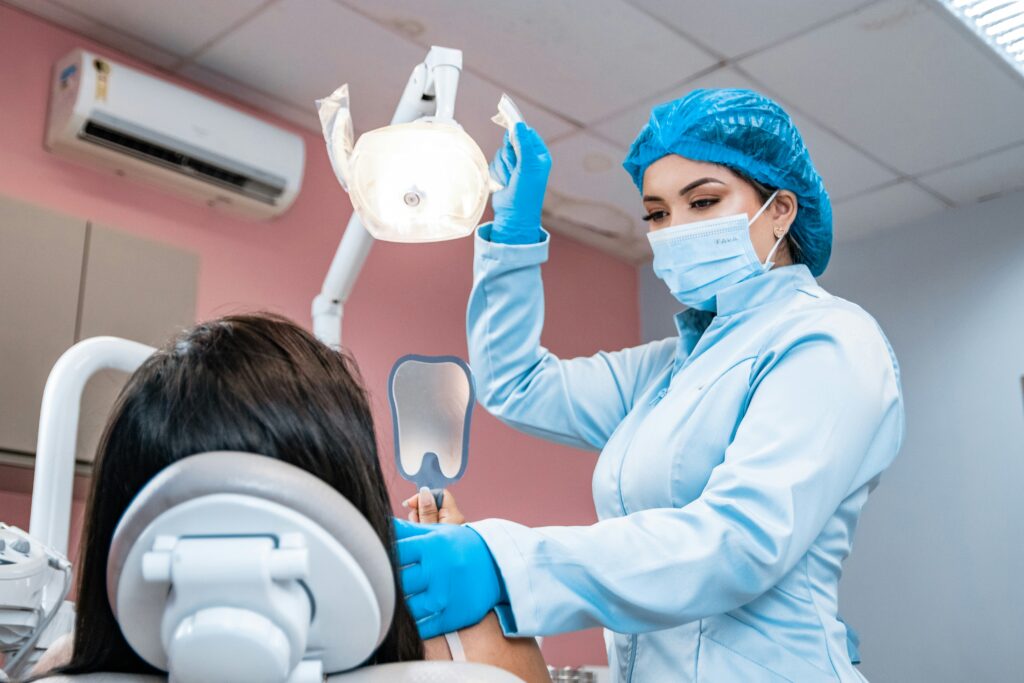
How to Become a Dental assistant
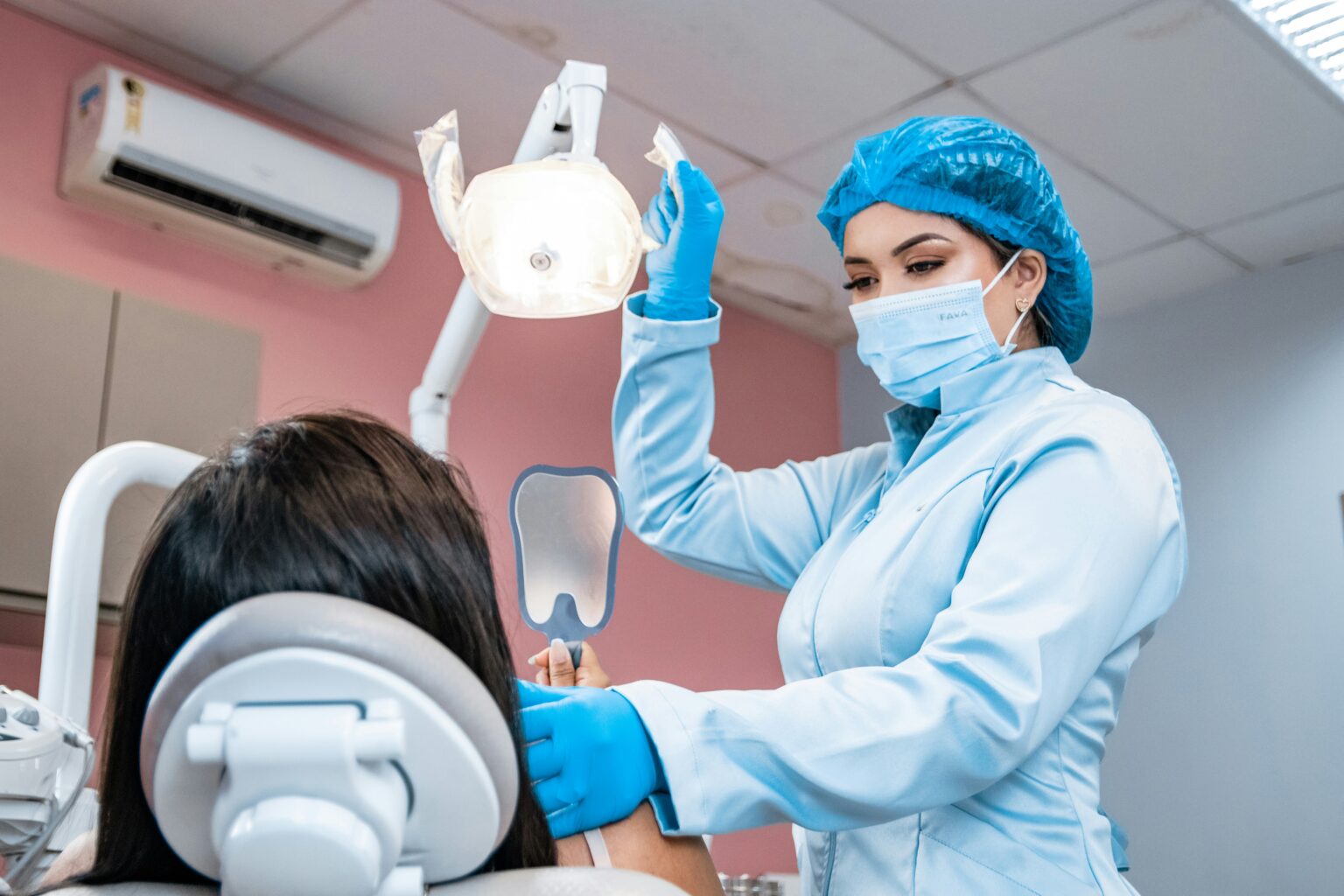
The field of dentistry is experiencing continuous growth, and at the heart of every successful dental practice is the Dental Assistant (DA).
These professionals are the backbone of the dental office, performing vital clinical, laboratory, and administrative duties. If you are looking for a hands-on
healthcare role that offers stability, direct patient interaction, and a quick path to employment, learning how to become a dental assistant is your next big step.
Dental Assistants are highly valued because they streamline every procedure, making patients feel comfortable while ensuring the dentist can work efficiently.
They are a critical part of a team dedicated to improving oral health and beautiful smiles.
This guide will walk you through the four essential steps to starting your career, highlighting why choosing an accredited program like the one
at Stautzenberger College is the fastest, most effective route.
Step 1: Understand the Role – What Does a Dental Assistant Do?
To truly appreciate the career, it helps to understand the diverse and dynamic responsibilities of a dental assistant. The job is a perfect blend
of technical skill and compassionate communication.
In the Treatment Room (Clinical Duties)
The primary responsibility of a DA is chairside assistance—being the dentist’s second pair of hands. This includes:
-
- Preparing Patients: Making patients comfortable, reviewing their medical history, and taking and monitoring vital signs.
-
- Asepsis and Instrument Prep: Sterilizing and setting up instruments and equipment according to strict infection control protocols.
-
- Four-Handed Dentistry: Passing instruments, mixing materials (like cement or amalgam), and suctioning fluid and debris during procedures.
-
- Radiography: Taking and developing dental X-rays (often requiring specific state certification).
-
- Patient Instruction: Educating patients on post-operative care and proper oral hygiene techniques.
In the Lab and Office (Administrative Duties)
Beyond the chairside, Dental Assistants often manage key operational tasks, especially in smaller practices:
-
- Inventory Control: Ordering and managing dental supplies.
-
- Laboratory Procedures: Taking impressions for models and fabricating temporary crowns.
-
- Record Keeping: Managing patient files, scheduling appointments, and handling billing and coding paperwork.
The variety of tasks ensures a stimulating and challenging workday, making the role perfect for organized, empathetic, and detail-oriented individuals.
Step 2: Formal Education – The Fastest Path to the Chair
While some dental offices may train assistants on the job, the overwhelming majority of successful Dental Assistants start with formal education.
This is because modern dentistry demands comprehensive knowledge of anatomy, infection control, and specialized equipment.
The most efficient and common way to gain this expertise is through a dedicated Dental Assisting Diploma program.
Why Choose a Program at Stautzenberger College?
At Stautzenberger College, our program is structured to answer the critical question: how to become a dental assistant quickly and effectively?
Our curriculum is designed to be highly focused and accelerated, allowing you to master the required skills and knowledge in a short timeframe and prepare
you to become a certified dental assistant. Key features of our program include:
-
- Hands-On Learning: You won’t just read about dental procedures; you will practice them in simulated laboratory settings with modern equipment,
building muscle memory and confidence.
- Hands-On Learning: You won’t just read about dental procedures; you will practice them in simulated laboratory settings with modern equipment,
-
- Comprehensive Coverage: Our courses cover crucial topics like dental anatomy, dental materials, pharmacology, pain control, and radiographic techniques,
ensuring you are prepared for every aspect of the job.
- Comprehensive Coverage: Our courses cover crucial topics like dental anatomy, dental materials, pharmacology, pain control, and radiographic techniques,
-
- Externship Placement: A core component of our program is the clinical externship. This real-world experience in a working dental office is invaluable.
It bridges the gap between the classroom and the clinic, often serving as a direct path to employment immediately after graduation.
- Externship Placement: A core component of our program is the clinical externship. This real-world experience in a working dental office is invaluable.
Choosing an accredited program ensures your training is recognized by state licensing boards and prospective employers, which is essential for career success.
Step 3: Certification and Licensure –
Achieving Professional Credentials
After completing your diploma, the next step is to obtain the necessary credentials to work in your state. The specific requirements can vary,
but generally, this involves two primary components: state registration and optional national certification.
State Requirements
Many states require Dental Assistants to be registered, licensed, or certified to perform certain expanded functions
(like coronal polishing or sealant application). Your program will prepare you for these state-specific exams and requirements.
National Certification
While not always legally required to work, achieving national certification is highly recommended. The most common credential is the
Certified Dental Assistant (CDA), offered by the Dental Assisting National Board (DANB).
Why pursue the CDA?
-
- Increased Earning Potential: Certified dental assistant professionals often command higher salaries.
-
- Job Mobility: The CDA credential is nationally recognized, making it easier to find employment if you move to another state.
-
- Professional Recognition: It demonstrates a commitment to professional excellence and clinical competency.
The education and practical experience you gain from a Dental Assisting program at Stautzenberger College will fully prepare you to sit for the
DANB examination, putting you on track to become a Certified Dental Assistant.
Step 4: The Career Launch – Finding Your Perfect Dental Niche
Graduating from an accredited program opens the door to numerous job opportunities in a variety of settings. The job market for dental assistant positions remains strong, driven by the aging population and increased emphasis on preventive dental care. By focusing on how to become a dental assistant with certification, you ensure you are among the most attractive candidates for the best positions.
Where Can a Dental Assistant Work?
-
- General Practice Clinics: The most common setting, assisting with routine check-ups, fillings, and preventive care.
-
- Specialty Offices: Working in high-demand specialties like Orthodontics, Oral and Maxillofacial Surgery, Periodontics, or Pediatric Dentistry.
-
- Public Health: Working in school clinics, public health departments, or government facilities.
-
- Insurance Companies and Education: Some experienced DAs move into administrative roles for insurance providers or become instructors in Dental Assisting programs.
Your Future Starts Now
Becoming a dental assistant is a practical, rewarding choice that bypasses the lengthy training required for many other healthcare roles.
You get to interact directly with patients, use your hands-on skills daily, and be an indispensable member of a professional medical team.
If you are ready to stop wondering how to become a dental assistant and begin learning the skills necessary to succeed, the Dental Assisting Diploma program
at Stautzenberger College is the ideal place to start. Our accelerated training and focus on job placement are designed to get you from the classroom
to the clinic chair quickly and confidently, making the path to becoming a dental assistant clear.
Ready to secure your spot? Contact Stautzenberger College today to speak with an Admissions Advisor and learn more about how to become a dental assistant
and begin your new healthcare journey!