


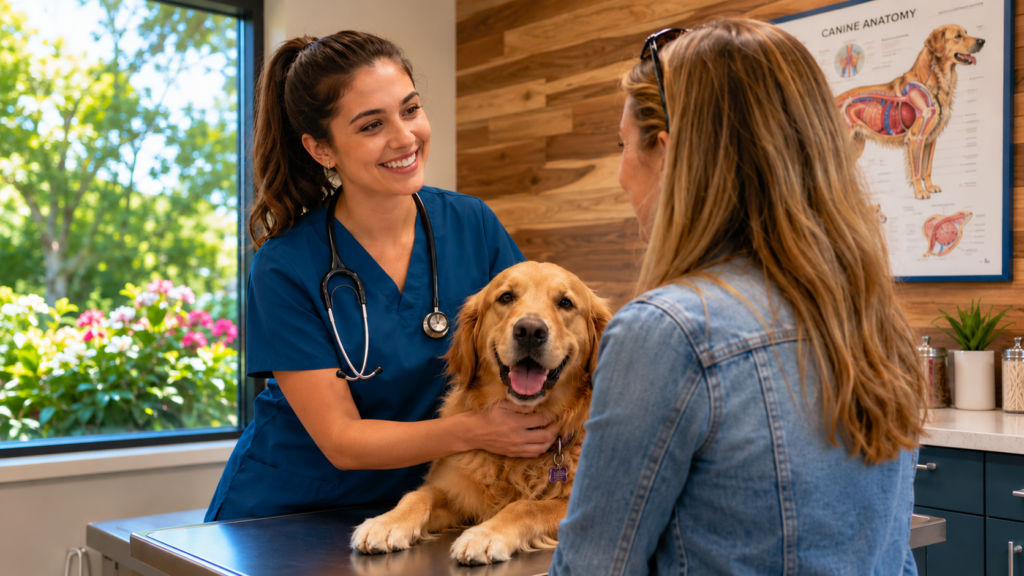
Succeeding in the animal healthcare field requires a balance of technical knowledge and interpersonal skills. Veterinary technicians work with veterinarians, animal patients, and pet owners as part of the veterinary care team. While clinical skills are important when supporting animal care, clear communication also helps veterinary teams work effectively with pet owners.
When asking what a vet tech does, many people think first of laboratory testing, surgical assistance, and medication administration. However, the role also relies on effective communication to gather patient histories from owners and explain veterinary information in understandable terms.
At Stautzenberger College, we understand the importance of developing both technical skills and professional communication. Understanding the balance between clinical care and client communication can help you decide whether veterinary technology aligns with your educational goals.
The Critical Medical Responsibilities of the Role
Veterinary technicians provide clinical support as part of the animal healthcare team. When comparing veterinary assistants vs. veterinary technicians, veterinary technicians typically receive more advanced training and have greater clinical responsibilities than veterinary assistants.
Veterinary technology education can help students develop the clinical knowledge and practical skills used in veterinary settings. Areas of study may include pharmacology, anesthesia monitoring, laboratory procedures, and diagnostic imaging.
Some responsibilities veterinary technicians may perform under appropriate veterinary supervision include:
- Anesthesia administration and monitoring: Monitor an animal’s response to anesthesia during procedures under veterinary supervision.
- Laboratory testing: Collect samples and perform laboratory tests, such as urinalyses and blood counts, to support veterinary care.
- Radiographic imaging: Position animals and assist with diagnostic imaging while following appropriate radiation safety procedures.
The Power of Communication in Veterinary Medicine
While technical skills are important to animal care, effective communication in veterinary medicine can help pet owners understand information about their animals. Pet owners may experience stress or uncertainty when an animal is sick or injured, making clear and compassionate communication particularly valuable.
Communication is also important when discussing post-operative care, prescribed medications, nutritional guidance, and other instructions provided by the veterinary team. Helping owners understand these instructions can support continuity of care after an animal leaves the veterinary facility.
According to the U.S. Bureau of Labor Statistics, employment of veterinary technologists and technicians is projected to grow 9% from 2025 to 2035, much faster than the average for all occupations. BLS notes that rising pet ownership and spending, advances in veterinary medicine, and increased treatment options are expected to contribute to demand for veterinary technologists and technicians.
If veterinary technology interests you, exploring the education and clinical training involved can help you better understand the field. Explore our Veterinary Technician program to learn more about the curriculum, admissions requirements, and training experience.
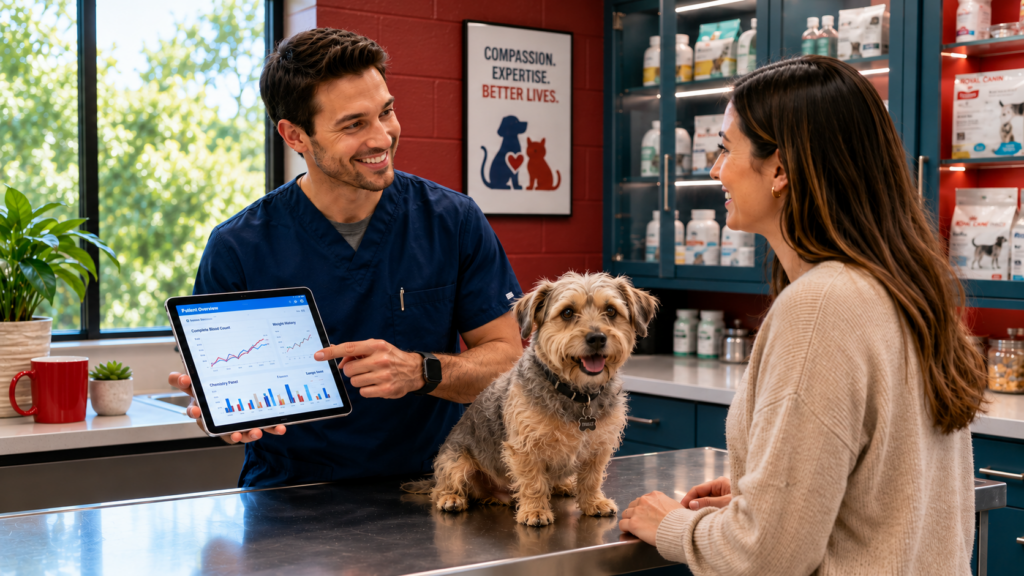
Developing the “Stautz Strong” Balance With Our Team
Stautzenberger College has served students for 100 years. Its Veterinary Technician Associate Degree program is designed to be completed in 24 months and combines on-campus instruction with online coursework.
The Veterinary Technician program provides training for clinical responsibilities such as assisting with surgery, performing laboratory tests, administering anesthesia, and supporting veterinary care. Students can develop technical knowledge while gaining experience with skills used in veterinary care settings.
The program combines on-campus instruction with online coursework, providing hands-on training alongside the flexibility to complete some coursework at home. This approach gives students opportunities to develop both the technical and interpersonal skills that can be important when working with animals, pet owners, veterinarians, and other members of a veterinary team.
If veterinary technology aligns with your interests and educational goals, Stautzenberger College can help you explore your next educational steps. Request information to learn more about the Veterinary Technician program, admissions requirements, and available class options.