




In the rapidly evolving landscape of healthcare, the backbone of the industry isn’t just found in the exam room—it’s in the data. As medical facilities transition to increasingly complex digital systems, the demand for skilled professionals who can navigate the intersection of medicine and finance has reached an all-time high.
At Stautzenberger College, we understand that a healthcare career should be both rewarding and stable. That is why our Medical Office Billing / Coding program is designed to take you from a beginner to a career-ready professional in as little as 10 months.
Whether you are looking to start a new chapter or advance your current standing, earning a medical coding and billing certification is the single most effective way to unlock higher earning potential and job security.
Why Medical Coding and Billing Certification Matters in 2026?
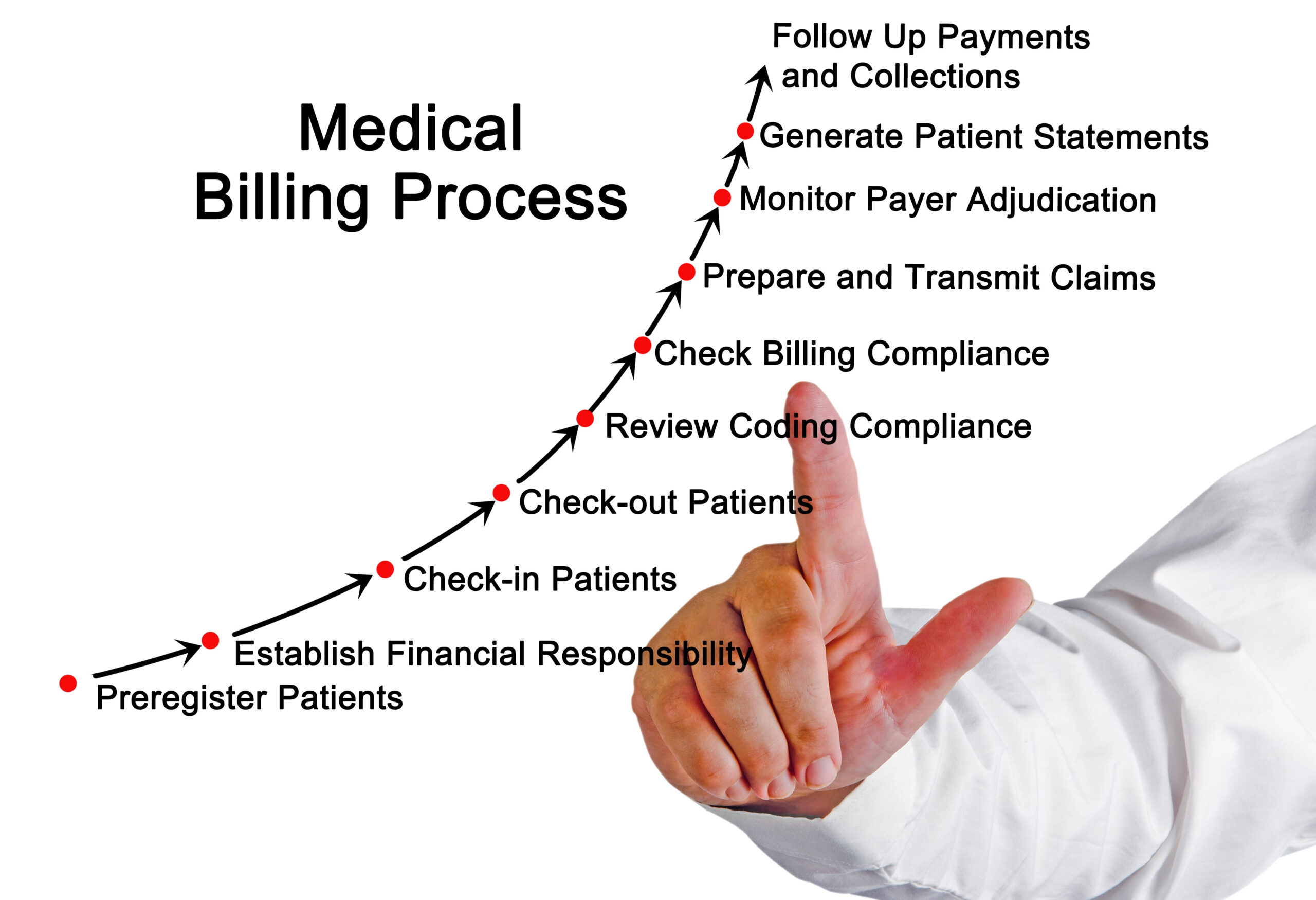
In the world of medical coding, your certification is more than just a piece of paper; it is a credential that proves your proficiency to employers. While some entry-level positions may be available without a certification, the financial gap between certified and uncertified professionals is significant.
According to recent 2026 industry data, certified medical coders earn approximately 20–27% more than their non-certified counterparts. For many, this translates to an additional $10,000 to $15,000 per year right from the start.
The Financial Impact of Certification
| Credential Level | Estimated Average Annual Salary (2026) |
| Non-Certified Coder | $45,000 – $55,000 |
| Certified Professional Coder (CPC) | $67,000 – $75,000 |
| Multiple Certifications (2+) | $81,000+ |
Beyond the immediate salary bump, certification opens doors to specialized roles in auditing, compliance, and management—roles that often command six-figure salaries as you gain experience.
How to Get Your Medical Coding Certification: A Step-by-Step Guide
Getting certified might seem daunting, but when broken down into manageable steps, the path becomes clear. Here is how you can achieve your goal:
1. Enroll in a Career-Focused Program
The first step is building a foundational knowledge of human anatomy, medical terminology, and the various code sets used in the industry. The Medical Office Billing / Coding program at Stautzenberger College provides 100% online flexibility, allowing you to master these concepts while balancing your existing responsibilities.
2. Master the Three Core Code Sets
To pass your certification exam, you must become fluent in the “languages” of the medical office:
-
- ICD-10-CM: Used for clinical diagnoses.
-
- CPT (Current Procedural Terminology): Used for outpatient services and procedures.
-
- HCPCS Level II: Used for supplies, equipment, and services not covered by CPT.
3. Choose Your Certification Path
Depending on your career goals, you will likely aim for one of the following “Gold Standard” certifications:
-
- CPC (Certified Professional Coder): Offered by the AAPC, this is the most recognized credential for physician office settings.
-
- CCS (Certified Coding Specialist): Offered by AHIMA, this is ideal for those looking to work in hospital or inpatient settings.
-
- CBCS (Certified Billing and Coding Specialist): Offered by the NHA, focusing heavily on the billing and insurance side.
4. Gain Hands-on Experience
Employers value practical skills. Stautzenberger’s curriculum includes real-world simulations and externship opportunities, ensuring that when you sit for your exam, you aren’t just reciting definitions—you are applying logic to complex medical records.
Boosting Your Salary: The “Stacking” Strategy
Once you have your initial certification, your growth doesn’t have to stop there. In 2026, the trend of “credential stacking” has become a popular way to maximize income.
Pro Tip: Coders who hold two or more certifications (such as a CPC combined with a Specialty Credential in Cardiology or Surgery) see the highest year-over-year salary increases.
Why the Industry is Growing?
As the population ages, the volume of medical procedures is increasing. More procedures mean more claims, and more claims require more medical coding and billing specialists to ensure healthcare providers are reimbursed accurately. This demand creates a “seller’s market” for coders, where you can negotiate better pay, better benefits, and even remote work options.
The Stautzenberger Advantage
Choosing where to get your education is a big decision. At Stautzenberger College, we’ve spent nearly 100 years helping students in our community jumpstart their careers. Our program isn’t just about passing a test; it’s about preparation for the real world.
-
- 100% Online Learning: Study on your own schedule.
-
- Dedicated Career Services: We don’t just graduate you; we help you find a job.
- Certification Prep: Our curriculum is specifically aligned with the exams you need to pass to succeed.
Become a Medical Coding & Billing Officer
In today’s competitive healthcare market, obtaining your medical coding and billing certification is the most direct route to financial stability and professional growth.
By choosing the Medical Office Billing / Coding program at Stautzenberger College, you are not just earning a credential; you are gaining a lifelong partner dedicated to your career success through hands-on training and expert support.
As the industry continues to expand, those with specialized skills in managing patient data and insurance reimbursement will remain in the highest demand. Now is the perfect time to invest in yourself, elevate your earning potential, and secure a rewarding role in an essential field.
FAQs
Q1: How long does it take to get certified in medical coding?
A: Most students can complete their diploma program at Stautzenberger College in about 10 months. After completing the program, you are prepared to sit for national certification exams like the CPC or CBCS immediately.
Q2: Can I work from home as a medical coder?
A: Yes! One of the biggest perks of the medical coding and billing field in 2026 is the prevalence of remote work. Many hospitals and private billing companies offer hybrid or 100% remote positions to certified coders.
Q3: Do I need a college degree to be a medical coder?
A: While an Associate degree can help with long-term management roles, a diploma and a professional certification (like the CPC) are generally all you need to enter the field and start earning a competitive salary.